
Petroleum Storage Facilities in Central Poland
Tank farm operations and fuel testing laboratory
Operating petroleum storage terminal with capacity of 85,000 cubic meters. Facility located in Płock industrial zone, established 2017. Services include product acceptance, storage, quality testing, and distribution logistics.
Facility Overview
Infrastructure and operational capacity
Storage terminal commissioned in March 2017 in Płock industrial district. Infrastructure includes 12 vertical steel tanks, railway siding connection, road tanker loading terminal, and ISO-accredited testing laboratory.
Storage Infrastructure
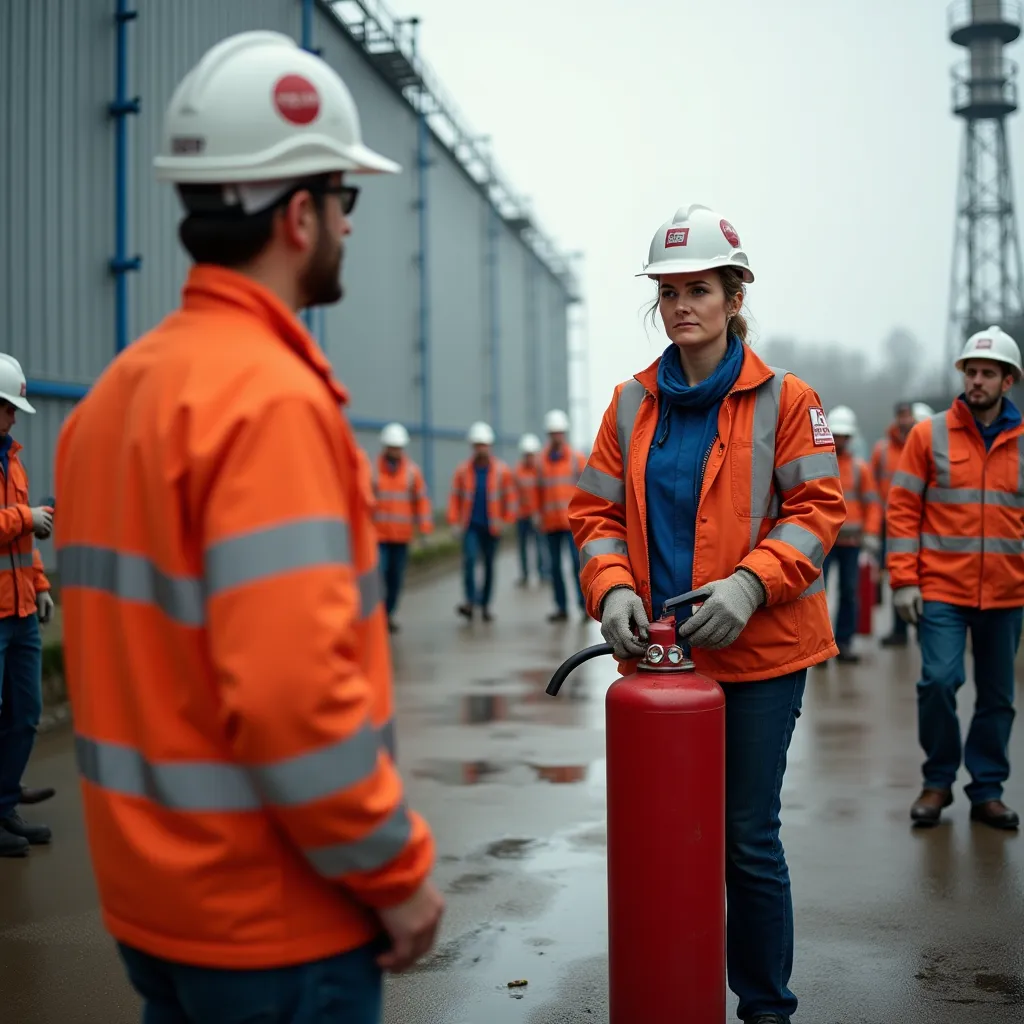
12 vertical cylindrical tanks with individual capacity ranging 5,000-10,000 m³. Total storage volume 85,000 m³. Tanks equipped with floating roof systems, foam fire suppression, and automated level monitoring. Construction standard: API 650.

Testing Laboratory
ISO 17025 accredited laboratory operational since 2018. Equipment: gas chromatograph, distillation apparatus, viscometer, flash point tester, density meter. Testing parameters: octane/cetane number, sulfur content, distillation curve, density, viscosity.

Loading Terminal
Railway siding with 8 loading positions for rail tankers. Road terminal with 4 loading bays for truck tankers (capacity 20-40 m³). Bottom loading system with vapor recovery unit. Average loading time: 45 minutes per vehicle.
Pipeline Connection
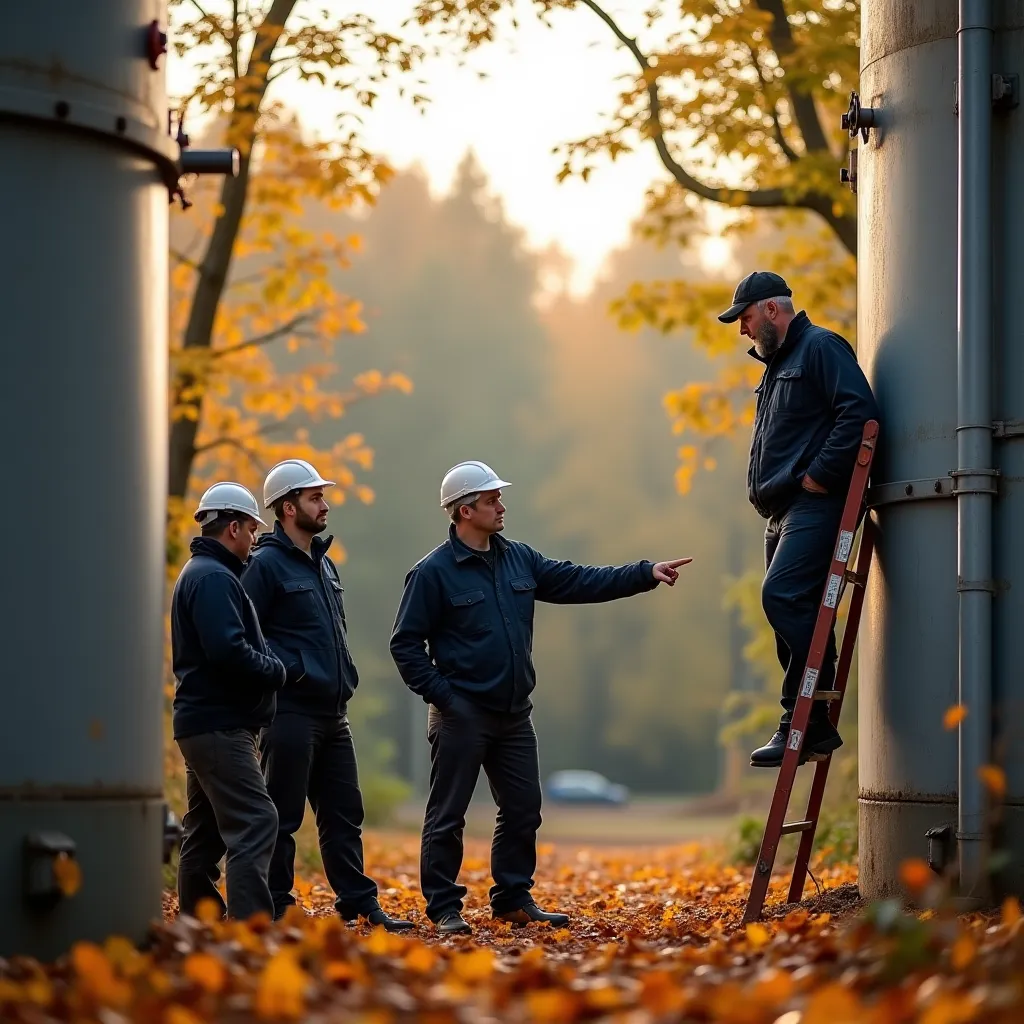
Connected to PERN pipeline system (Płock-Koluszki section, DN500). Receiving capacity: 800 m³/hour. Facility serves as distribution hub for central Poland region. Connection established 2017.
Storage and Testing Services
Available operational services
Facility provides petroleum product storage, quality testing, and logistics services. Operations conducted according to Polish technical standards and EU fuel directives.

Product Storage
Tank storage for gasoline (95, 98 octane), diesel fuel (EN 590), jet fuel (Jet A-1), heating oil. Minimum storage period: 7 days. Quality maintenance: nitrogen blanketing, temperature monitoring, circulation systems.
- Tank allocation based on product type
- 24-hour security and fire monitoring
- Automated inventory management system
- Product quality preservation protocols

Quality Testing
Laboratory analysis according to EN standards. Standard testing package includes: density (15°C), distillation curve, flash point, water content, appearance. Analysis turnaround time: 4-6 hours during business hours.
- ISO 17025 accredited results
- Sampling at reception and delivery
- Extended analysis available (octane/cetane, sulfur)
- Digital certificates issued within 24 hours

Rail Loading
Loading operations for rail tank cars (standards: 415-Z, 406-R). 8 loading positions operational. Bottom loading with vapor recovery. Pre-loading inspection and post-loading sealing included.
- Loading capacity: 800 m³/hour total
- Automated metering and documentation
- Tank car inspection service
- Railway shunting coordination

Road Tanker Loading
Loading operations for road tankers (20,000-40,000 liter capacity). 4 loading bays with electronic metering systems. Loading time: 35-50 minutes depending on volume. Online booking system operational.
- 24-hour loading availability
- Pre-booking required (minimum 4 hours)
- Driver facilities and safety equipment
- Electronic loading documentation

Blending Operations
Fuel blending services for specification adjustment. In-tank blending with circulation system. Components: base gasoline, ETBE, bioethanol (E10 production), diesel fuel, FAME biodiesel (B7 production).
- Recipe calculation and documentation
- Automated component dosing
- Post-blending quality verification
- Compliance with EN 228 and EN 590 standards

Pipeline Reception
Product reception from PERN pipeline system. Reception rate: up to 800 m³/hour. Includes flow metering, sampling, and tank allocation. Coordination with pipeline dispatcher required minimum 48 hours in advance.
- Automated pipeline interface connection
- Real-time volume measurement
- Reception quality sampling
- Pipeline batch tracking documentation
Storage Workflow
Standard operational procedure
Product handling follows documented procedures from reception through storage to final dispatch. Each step includes quality verification and documentation.

Reception
Product arrival verification. Documentation check: transport certificate, quality certificate, quantity declaration. Visual inspection: seal integrity, tank car/tanker condition. Sample collection for laboratory analysis. Duration: 15-20 minutes.

Quality Analysis
Laboratory testing of reception sample. Tests performed: density, appearance, flash point, water content. Additional tests if required: octane/cetane number, distillation curve, sulfur content. Results available within 4-6 hours.

Unloading
Product transfer to designated storage tank. Metering during transfer. Flow rate: 150-200 m³/hour. Tank allocation based on product grade and availability. Unloading time: 90-180 minutes depending on volume.

Storage
Product storage with continuous monitoring. Parameters tracked: tank level, temperature, pressure. Nitrogen blanketing system prevents oxidation. Automated leak detection system operational 24 hours. Minimum storage period: 7 days.
Dispatch
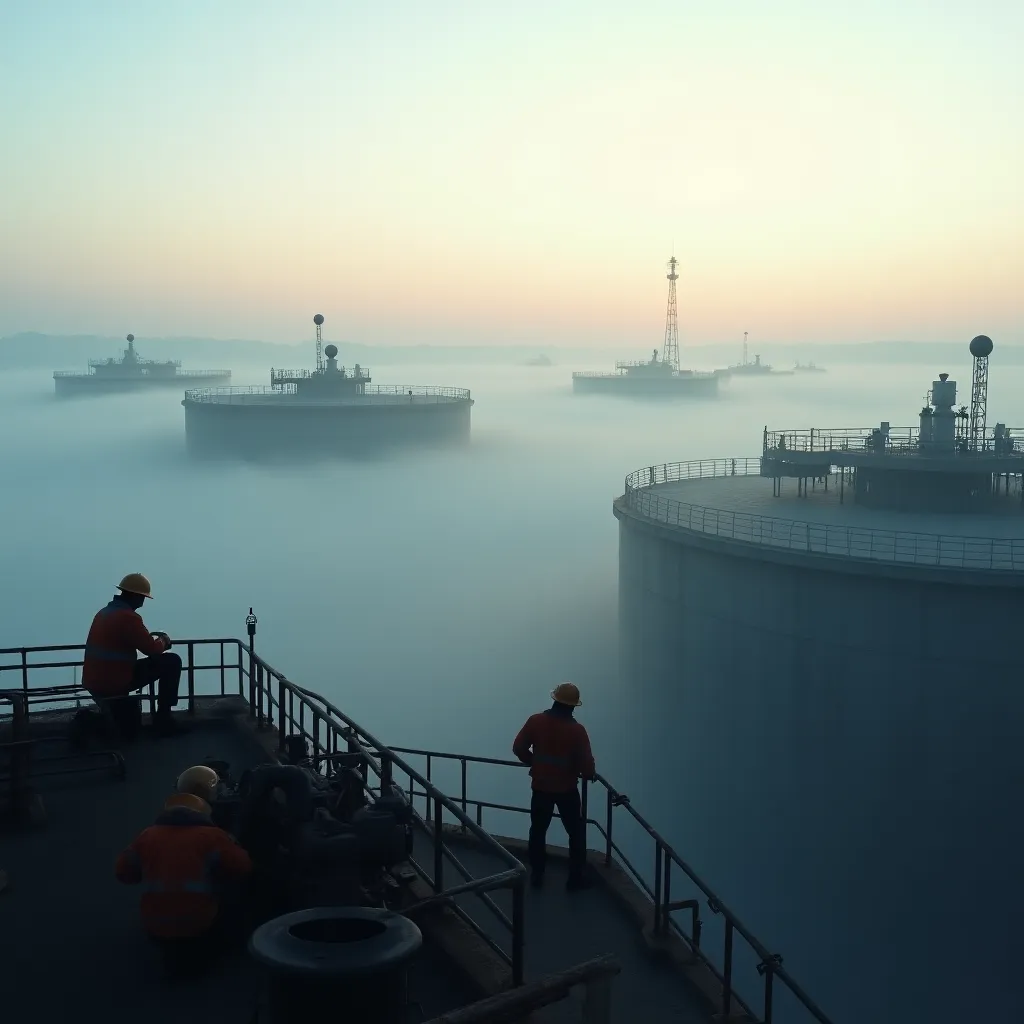
Product loading for delivery. Pre-loading sample analysis. Loading via bottom loading arms with vapor recovery. Electronic metering and seal application. Loading documentation: delivery note, quality certificate, transport document.




Operational Information
Common questions about facility operations
Factual information regarding storage procedures, testing capabilities, and operational requirements.
What products does the facility accept for storage?
Facility accepts: automotive gasoline (95, 98 octane), diesel fuel (EN 590 standard), aviation kerosene (Jet A-1), light heating oil. Products must arrive with valid transport certificate and quality documentation. Temperature ranges: gasoline -40°C to +50°C storage stable, diesel -20°C to +40°C.
What is the minimum storage period required?
Minimum storage commitment: 7 calendar days from reception date. This allows for quality verification, tank allocation optimization, and operational scheduling. Storage fees calculated per cubic meter per month, minimum charge applies for periods under 30 days.
What laboratory tests are included in standard analysis?
Standard package includes: density at 15°C (ISO 12185), appearance and color visual assessment, flash point (ISO 2719), water content (ISO 12937), distillation curve initial data. Extended analysis available separately: research octane number (RON), motor octane number (MON), cetane number, sulfur content.
How long does laboratory analysis take?
Standard package analysis: 4-6 hours during business hours (Monday-Friday 07:00-15:00). Extended analysis requiring octane/cetane testing: 8-12 hours. Express service available with 50% surcharge: results within 2 hours for standard package. Certificate issued electronically within 24 hours of analysis completion.
What documentation is required for product reception?
Required documents: transport certificate (CMR or railway consignment note), quality certificate from origin facility (issued within 7 days), quantity declaration, safety data sheet (SDS) if first delivery of product type. Documents must be presented before unloading authorization.
How is product quantity measured during loading operations?
Metering via electronic mass flow meters (accuracy class 0.3% according to OIML R117). Temperature compensation to 15°C reference. Density measurement via inline densitometer. Printed ticket issued at loading completion showing: gross volume, temperature, density, net volume at 15°C, mass. Meter verification performed annually by certified body.
What are the operating hours for loading operations?
Road tanker loading: 24 hours daily, 7 days per week. Pre-booking required minimum 4 hours in advance via online system or phone. Rail loading: coordinated with PKP Cargo schedule, typically Monday-Friday 06:00-22:00. Pipeline reception: coordinated with PERN dispatcher, 24-hour availability.
What safety requirements apply to visiting drivers?
Mandatory requirements: valid ADR certificate for hazardous materials transport, personal protective equipment (safety shoes, high-visibility vest, hard hat), vehicle inspection certificate current, fire extinguisher on vehicle operational. Facility provides: safety induction (15 minutes), grounding cables, loading supervision. Smoking prohibited within 100 meters of loading area.
Does the facility offer product blending services?
Blending services available for specification adjustment. Common operations: gasoline-ethanol blending (E10 production), diesel-FAME blending (B7 production), octane adjustment via ETBE addition. Requires: component specifications provided in advance, recipe approval by facility technical department, post-blending quality verification (included in service). Typical blending time: 6-8 hours including circulation.
How did previous clients choose this storage facility?
Previous clients selected facility based on: location proximity to PERN pipeline system (direct connection), railway siding access (8 loading positions), ISO 17025 accredited laboratory on-site (reducing external testing delays), storage capacity suitable for regional distribution (85,000 m³ total), established operations since 2017.
Facility Contact Information
Operational inquiries and service requests
For operational inquiries, storage capacity availability, or service information, contact details provided below. Office hours: Monday-Friday 07:00-15:00 CET.

Dane kontaktowe
Adres biura:
Warsaw Spire, Plac Europejski 1
00-844 Warszawa
Telefon:
+48 22 847 3129
Email:
[email protected]
Godziny pracy biura:
Poniedziałek-Piątek: 07:00-15:00